H2Grow
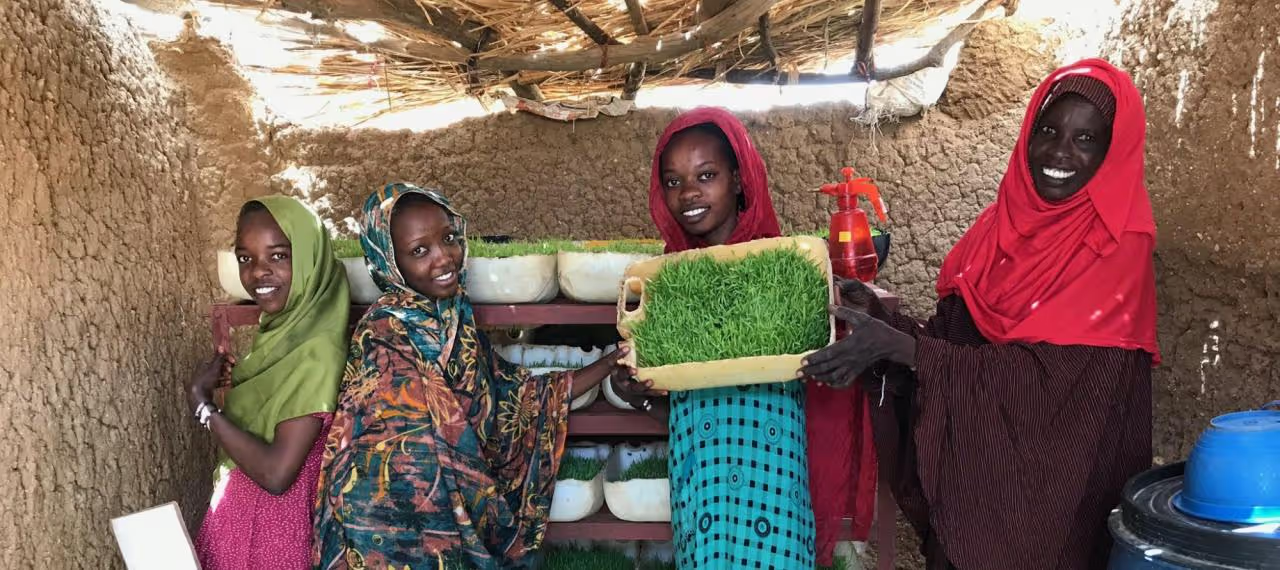
Low-tech hydroponic units help Sahrawi refugees grow fresh green animal fodder locally, strengthening food security in the community. Hydroponics is a soilless cultivation technique that enables plant growth in non-fertile, arid or urban areas with limited space. It is cost- and time-efficient, saving up to 90% of water and 75% of space compared with traditional agriculture, and allows faster food production all year round. In the refugee camps in Tindouf, south-western Algeria, WFP and local experts developed a low-tech system to grow barley as animal fodder, increasing refugees' access to milk and meat. Building on this pilot, WFP's H2Grow initiative brings low-tech, climate-smart hydroponic solutions to vulnerable communities and by 2021 had expanded to 21 countries, including Chad, Ethiopia, Jordan, Kenya, Libya, Nigeria, Palestine, Uganda, Zambia and Zimbabwe.


.avif)
